
Eat Smart for Academic Success
Never Have I Ever… Eaten Poorly
Let’s play a little game, okay? You should know it, it’s called never have I ever. So, put up your ten fingers; whenever I ask a question, and you’ve done it, you put one finger down. If by the end, you have more than 5 fingers up, you can stop reading this article if you want, okay? Let’s go!
Never have I ever… Skipped breakfast? Chosen snacks over food? (you know what I mean) Taken two or more sugary drinks in a day? Taken two or more bottles of energy drinks or coffee to boost alertness? Eaten late-night junk food while studying? Skipped meals because you’re studying? Eaten heavy meals right before studying? Avoided eating the veggies in my lunch pack? Followed a diet trend to lose weight? Drank less than two bottles of water in a day?
Your Brain and Food
That’s the end of the game! If you had more than 5 fingers still up, great job. For the rest, let’s focus on how nutrition fuels academic performance.
Your brain is just 2% of your body weight, but needs 20% of your daily energy– meaning what you eat is directly connected to your brainpower. The right food is essential for top mental performance. Research has shown that balanced nutrition improves memory, concentration and overall academic performance. Even from early life, good brain food supports better brain growth and development and better academic performance later in life. When you eat poorly, you may experience fatigue, poor concentration, irritability, mood swings, and frequent illnesses, all of which can reduce your academic performance.
Eat Smart
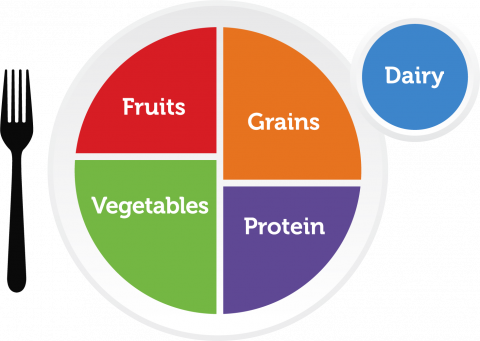
What do all these habits show? Academic success starts with eating smart, not necessarily fancy or expensive food. A balanced meal is your best tool for better learning, focus, and memory. This means your meals should include:
1. Carbohydrates: Energy Givers
Almost all classes of food supply energy, but carbohydrates have this primary function. Glucose remains the primary source of energy for every organ (some notable exceptions are the heart and liver, which prefer fatty acids for their high energy requirements)– the brain can only survive for so long on substitutes like ketones; your red blood cells don’t even try. Therefore, taking starchy foods like whole grains and tubers releases glucose slowly over longer periods, supplying the brain with its preferred fuel, unlike commercial sugary drinks, which just flood the system with glucose and leave your brain starving later.
2. Proteins: Brain Builders
What has been hammered into many of our brains from birth is that proteins provide the building blocks of the body. That’s very true. A major part of the body is protein. Proteins also help you stay full and focused longer. This is because the hormone responsible for causing sleep is made from an amino acid– Tryptophan– released from the breakdown of proteins. How does this work? Tryptophan is larger than other amino acids and hence, is transported less into the brain when other amino acids are present. So, proteins equal more amino acids, which in turn equals less tryptophan in the brain and less sleepiness! Some other amino acids also contribute to brain function, forming chemicals that the brain uses to communicate. Take proteins so your brain can remain sharp.
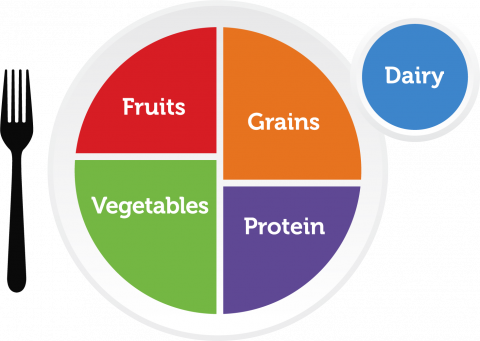
3. Fruits and Veggies: Brain Protectors
An apple a day keeps the doctor away
These give rise to vitamins and minerals that help in brain function and also serve as antioxidants– molecules that protect against cell injury. Iron, for instance, prevents tiredness and ensures oxygen delivery to the brain, providing aid to the brain.
4. Healthy Fats: Memory Boosters
Sources of healthy fats, like avocado, nuts and fish, support brain structure and long-term health. The brain cells are made up of a high amount of fat, which is supplied in these foods– omega-3 fatty acids. Foods should contain fats and oils, just in small amounts and of high quality. Find more examples here.
5. Water: The Forgotten Hero
Many forget how beautiful water is. We substitute it for drinks and coffee; some even say the food they’ve eaten contains enough of it. Little do they know that water saves us from lots of things. These range from headaches and reduced concentration to fatigue and kidney failure. Solution? Always carry a bottle of water and drink it!

Bad Nutrition Habits
Other habits that should be broken include:
1. Skipping breakfast
Many studies have shown breakfast to be the most important meal of the day: if you’re planning on skipping any, make sure it’s not in the mornings. However remember, skipping meals slows thinking speed, reduces problem-solving ability and increases irritability; ironically, eating properly can actually save time by improving productivity.
2. Snacking in place of Real Meals
These contain refined carbohydrates. Biscuits, instant noodles,.chips and pastries are not real meals. They might feel your belly, but don’t nourish your brain. Change!
3. Studying on an empty stomach
If you still believe that hunger helps you focus better…(shakes head) Low blood sugar leads to poor concentration, headaches, irritability and slower thinking. Your brain literally struggles to process information without its fuel.
4. Taking too many energy drinks
The WHO warns that excessive caffeine and sugar intake can negatively affect sleep and heart health, causing sleep disruption (which, by the way, is good for brain health and memory), anxiety, fast heartbeat and energy crashes. Tone it down.
5. Eating Heavy Meals Right before Studying
This can cause sleepiness, sluggishness and reduced mental alertness, especially when the meals are oily and carbohydrate-rich. Remember tryptophan? It enters the brain more when amino acids are less, contributing to this. Also, blood flow shifts to the digestive system. Balanced,.lighter meals support better focus.
6. Depending only on fast foods
Fast food is convenient, believe me. But frequent intake means excess salt, excess unhealthy fats, low vitamins and low fibre, impacting energy levels and long-term health.
7. Following extreme diet trends
Many want to be in shape and lose weight by avoiding all carbohydrates, eating once a day or taking very low-calorie diets. Balanced nutrition with adequate exercise is all that is needed, please.
Final Thought
If you want better grades, better focus, and better energy, start with your plate. Never skip breakfast, add at least a fruit daily, drink water before you feel thirsty, replace sugary drinks with water or natural juices, include protein in every meal, and plan your meals during exam periods. Success in school doesn’t begin in the classroom; it begins at the dining table.

You may also like


1 Comment
This is really insightful, even eating habits have an impact on our cognitive health