

The Future of Didactics in Nigeria: Beyond School Walls
Didactics, or the study of teaching and learning, is an ever-evolving field. In Nigeria, the future of didactics is vital as the country faces a growing need to educate its large and rapidly expanding population. However, traditional approaches to education in Nigeria, which focus primarily on classroom instruction within the walls of schools, may not be sufficient to meet this need. The future of didactics in Nigeria must go beyond school walls and incorporate new technologies, innovative teaching methods, and community-based approaches.
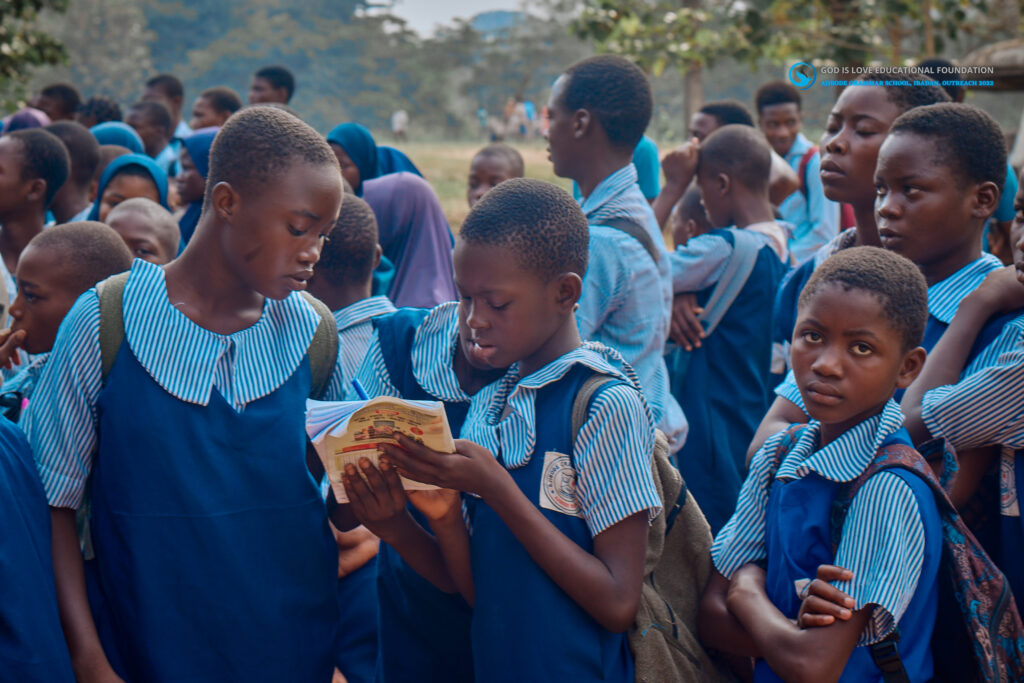
One of the critical challenges facing education in Nigeria is the high number of out-of-school children. According to UNICEF, Nigeria has the highest number of out-of-school children in the world, with over 10 million children between the ages of 6 and 11 not attending school. This is due in part to poverty, as many families cannot afford to send their children to school, but also the inadequate number of schools and teachers in many parts of the country.
To address this problem, the future of didactics in Nigeria must incorporate new technologies to educate children in remote and underserved areas. This includes the use of mobile learning, which can deliver educational content to children via mobile phones and tablets, and the use of online learning platforms, which can connect children to quality educational resources and teachers. Additionally, the use of radio and television can also play a role in delivering education to children in remote areas.

Another critical aspect of the future of didactics in Nigeria is innovative teaching methods. This includes using problem-based learning, which encourages students to solve real-world problems and think critically, and project-based learning, which allows students to learn by working on real-world projects. Additionally, the use of blended learning, which combines online learning with traditional classroom instruction, can effectively provide a more personalized and flexible learning experience for students.
Beyond technology and teaching methods, the future of didactics in Nigeria must also incorporate community-based approaches. This includes the involvement of community leaders and parents in children’s education, as well as the use of community resources, such as libraries and community centres, to provide education and support to children. Additionally, the use of community-based organizations, such as NGOs and civil society groups, can also play a role in providing education and support to children in underserved areas.

Moreover, it is essential to note that the future of didactics in Nigeria must also focus on teacher training and professional development. Teachers are the backbone of the education system, and they must have the necessary skills, knowledge, and resources to provide quality education to children. This includes providing teachers with ongoing training and professional development opportunities, as well as ensuring that they have access to the latest technologies and teaching methods.

In conclusion, the future of didactics in Nigeria must go beyond school walls and incorporate new technologies, innovative teaching methods, and community-based approaches. By doing so, Nigeria can address the challenge of educating its large and rapidly expanding population and ensure that all children have access to quality education. This is not just important for the future of Nigeria but for Africa as a whole.
written by Damian
for the Editorial Team, God is Love Foundation
Tag:education

You may also like



4 Comments
Great article
An insightful write up, Nigerian education needs to be reformed.
This can help tackle in a way the menace of illiteracy among children
GOD BLESS GILEF
Amen!
Thank you very much.
You need to be a part of a contest for one of the greatest websites on the internet. Im going to recommend this site!